
We Install What Actually Makes Sense.
Not the most expensive system on the floor. The one that delivers the best value for your home, your budget, and the Alabama climate — with the math to back it up.
Our Position
Most contractors make more money selling premium equipment. The pitch is easy and most customers don't have the numbers to push back. We do things differently.
We focus on standard-efficiency systems because the data supports it. Premium equipment rarely survives contact with real break-even timelines, real repair costs, and real replacement cycles in Alabama's climate. We'll show you those numbers before any proposal goes out.
Four Reasons Standard Systems Win for Most Homes
The ROI doesn't support the premium. At the 10-year warranty mark, a standard 14.3 SEER2 system costs less in total than every premium tier — including 18 SEER2.
Simpler parts, lower repair bills. ECM blowers run $600–$1,500 for parts alone. VFD compressors run $1,800–$4,500. One premium component failure can erase years of energy savings.
More technicians can work on it. Proprietary systems limit where we can source parts from and how fast parts arrive. Standard systems use commodity components that are often readily available.
Old system replacements already win big. Replacing a 15-year-old 10 SEER system with a standard 14.3 SEER2 delivers a 40–50% efficiency improvement — at the lowest price point. No premium required.
How We Work
We assess your system, ductwork, electrical panel, and house — not just a model number.
We talk to you about the value you are looking for.
We give you a straight recommendation and tell you why.
We install it right — proper sizing, correct refrigerant charge, duct assessment.

Humidity Control in Birmingham, Alabama Homes: A Complete HVAC Guide
High indoor humidity is one of the most common comfort complaints from Birmingham homeowners — and the fix is rarely more equipment. This guide walks through exactly how humidity gets into your home, what your AC is actually doing about it, and the diagnostic steps that solve it before you spend a dime.

Is a Higher SEER2 Rating Worth It? Here's What the Savings Actually Look Like.
Premium efficiency sounds like a no-brainer: spend more now, save every month. But when you do the actual math — annual energy savings versus install premium versus repair cost exposure on complex components — the case gets quieter fast. Here's what the efficiency difference really costs and saves, and the situations where paying for a higher SEER2 rating genuinely pencils out.

What makes up an residential HVAC Quote
Two quotes for the same system shouldn't look this different — but they do, and usually for legitimate reasons. Equipment brand, install complexity, ductwork modifications, lineset replacement, and the quality of the system evacuation all move the number. We walk through every factor we evaluate when we build a quote, including the step most contractors skip that shows up in compressor failures five years later.
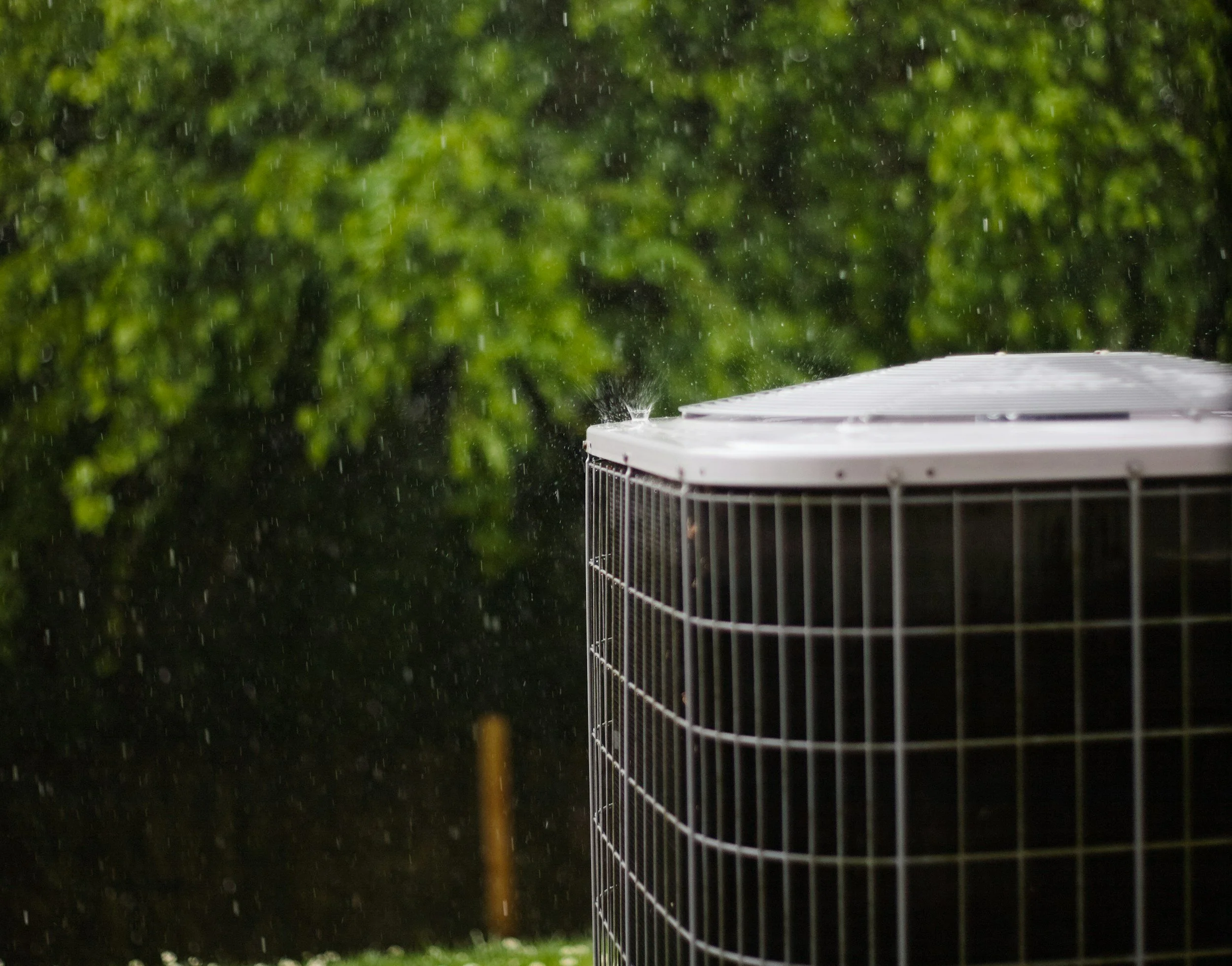
Comparing HVAC Brands
Walk into any HVAC quote comparison and you'll see brand names that look completely different but often share the same factory floor. We break down which brands belong in which tier, what actually separates them in the field, and why we land on Trane as our recommended equipment — not because of the slogan, but because of what we see when we open these systems up after 12 years.
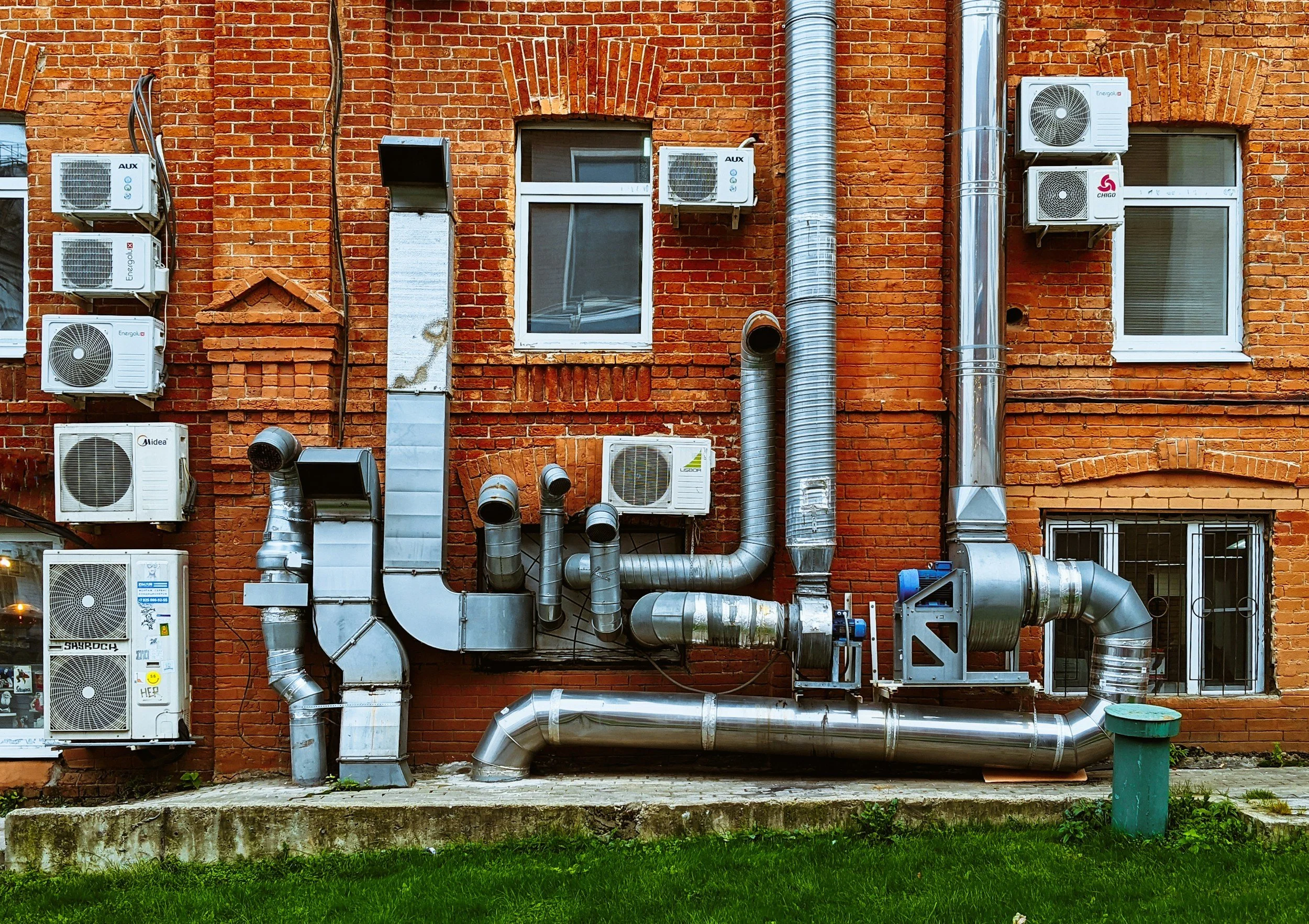
Residential HVAC System Types
Replacing your HVAC system means choosing a system type, not just an efficiency rating. Here's a plain-English breakdown of heat pumps, straight AC with gas, and dual fuel — including a quick guide to figuring out what you currently have.
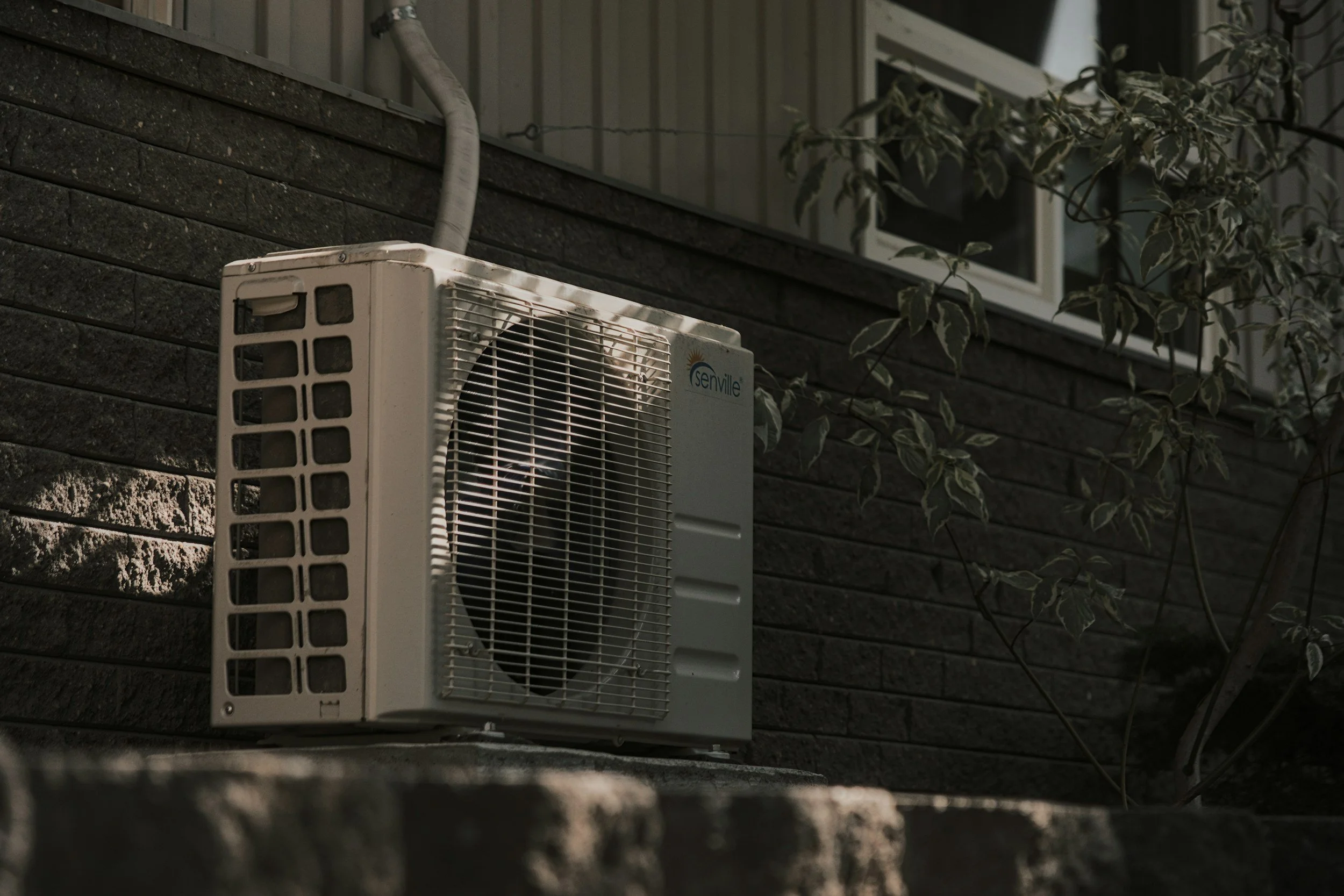

Old House efficiency
Your new HVAC system is only part of the equation. In an older Alabama home, up to 50% of heat gain comes through the windows alone. Here's what we can — and can't — fix with a new unit.